


Why a Plant Ring Looks Different From an Ordinary Water Spill
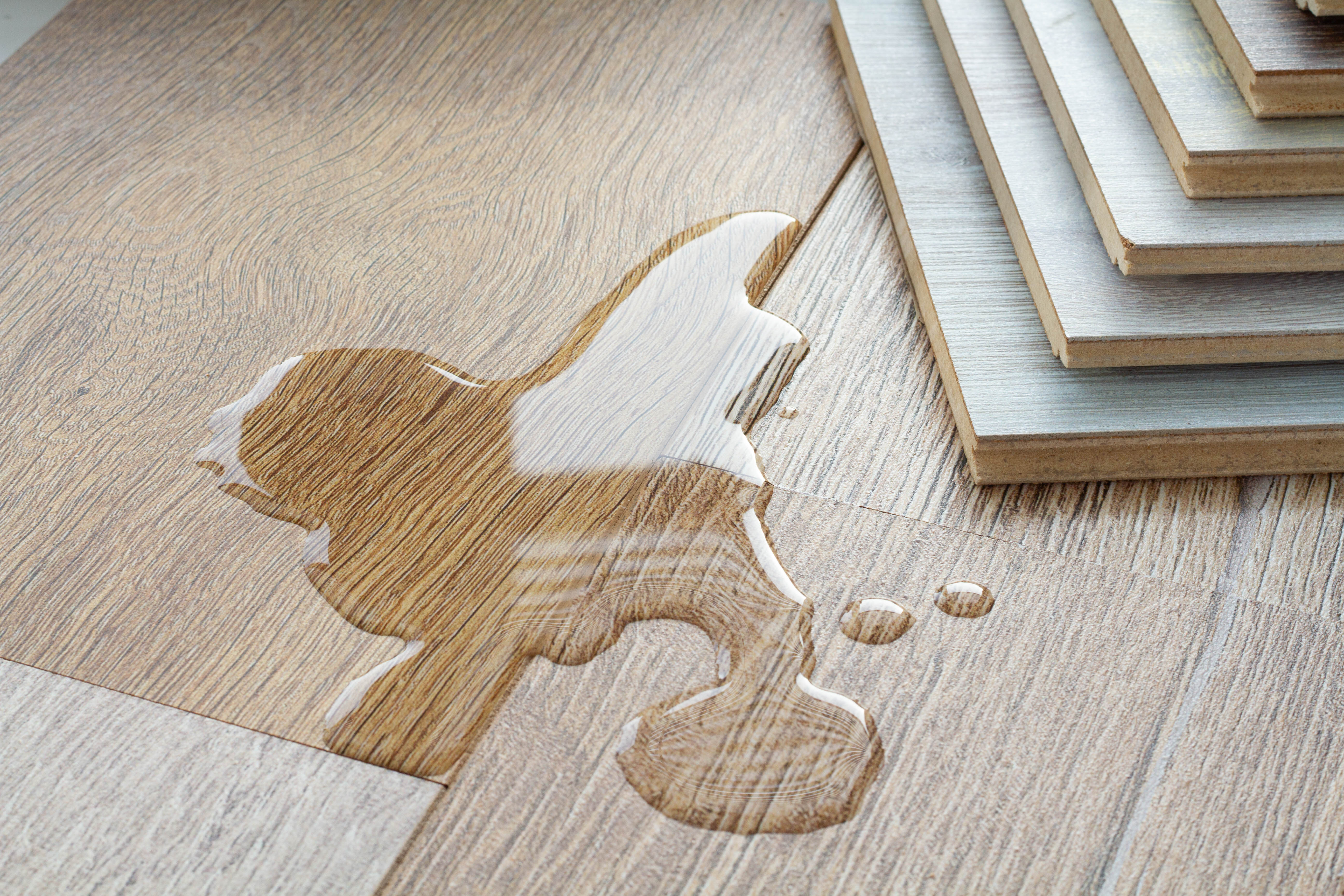
A quick spill that gets wiped up within a few minutes rarely leaves a lasting mark, because the finish on hardwood is built to shed a brief surface exposure without much trouble. A plant ring forms under completely different conditions. It develops slowly, from moisture that sits against the same small circle of finish for hours or days at a time, which gives water far more opportunity to work its way into any weak point in the seal.
This is also why plant rings often look cloudy or white rather than dark. A dark ring usually means moisture has reached the wood itself, while a lighter, hazy ring is more often trapped moisture sitting between layers of the finish, which is a different problem with a different fix. Knowing which one you are looking at matters before deciding how to treat it.
What Happens Under a Saucer That You Never See
Most plant rings do not come from an overflowing saucer at all. They come from condensation. A cool, moist pot sitting on a warmer floor creates a small amount of condensation on the underside of the saucer, and that moisture has nowhere to go once it forms, since the saucer traps it against the same small patch of flooring continuously.
Add in a porous saucer material, a felt or cork pad meant to protect the floor, or a decorative tray with a solid bottom, and you have created a small enclosed space where humidity stays elevated far longer than the rest of the room. This is why a plant that has never actually overflowed can still leave a ring after enough time, and why moving the same plant every few weeks noticeably reduces the problem even without changing anything else about how it is watered.
Why Some Finishes Show This Faster Than Others
A newer finish with a fully intact protective layer generally resists this kind of slow moisture exposure longer than a finish that has already seen years of foot traffic and cleaning products, since micro scratches and worn spots in an older finish give moisture more places to start working its way in. This is not a flaw in the wood itself. It is simply the finish doing exactly what finishes do once they have been worn down by normal use.
Higher gloss finishes and lower sheen finishes are not meaningfully different in how they resist this kind of exposure, since sheen level is a cosmetic property rather than a protective one. What actually matters is the condition and thickness of the finish layer at that specific spot on the floor, which is why the same plant sitting on an older section of flooring versus a newly refinished section can produce very different results.
Practical Ways to Keep Houseplants From Marking a Hardwood Floor
Elevating a pot slightly with a small stand or plant caddy, rather than letting the saucer sit flush against the floor, allows air to circulate underneath and prevents condensation from becoming trapped in one place. Rotating plants to a slightly different spot every so often spreads out any moisture exposure instead of concentrating it on one small area of finish for months at a time.
For plants that stay in one place long term, a waterproof pad designed to allow some airflow underneath works better than a solid felt pad, which can actually hold moisture against the floor rather than protecting it. Legacy Floor & Tile can walk through finish options and maintenance habits that hold up well for households with a lot of houseplants, based on what actually works in homes throughout this area.
A plant ring is a slow moisture problem, not a sign that hardwood and houseplants do not mix. Legacy Floor & Tile serves Van Buren and Poplar Bluff, Donipahn, Dexter, Ellington, Piedmont, Winona, Ellsinore and Eminence, MO with honest guidance on keeping a hardwood floor looking its best for years. Visit us at Van Buren, MO or contact us to talk through your space, including our full selection of hardwood flooring.


