


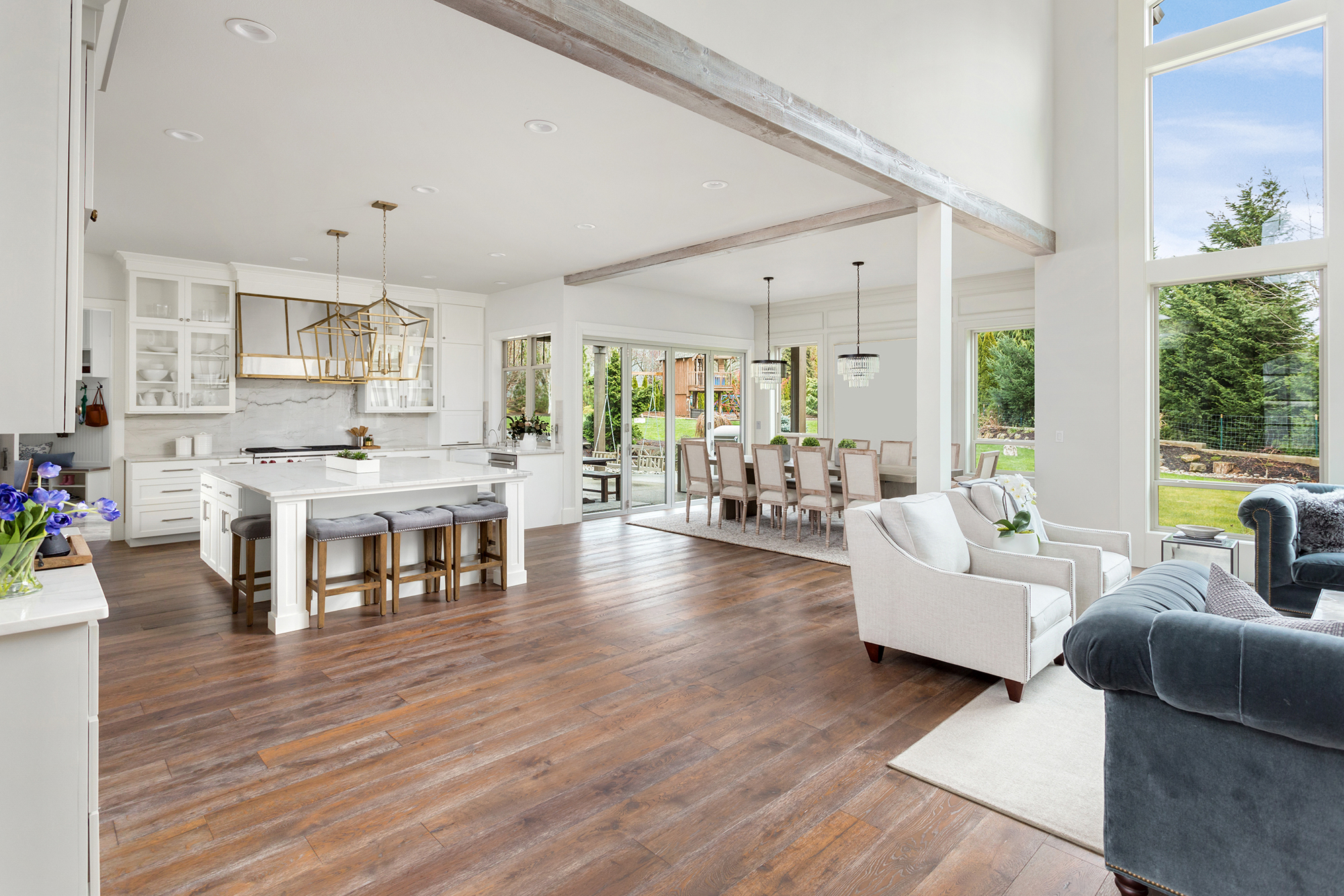
Laminate flooring is often chosen for one simple reason. It looks good without asking for much in return. Homeowners want a floor that can handle daily life, stay attractive, and make financial sense. One of the first questions we hear in our showroom is simple and honest. How long does laminate flooring actually last?
The answer depends on a few key factors. Quality matters. Installation matters. So does how the floor is used and cared for. When chosen and installed correctly, laminate flooring can serve you for many years. Let’s break down what affects the lifespan and what you can realistically expect.
Average lifespan of laminate flooring
Most laminate flooring lasts between 15 and 25 years. Some higher-end options can push beyond that range when they are well-maintained. Lower-quality laminate floors may show wear much sooner, especially in busy homes.
Laminate is built in layers. The top wear layer protects against scratches, fading, and scuffs. Beneath that sits the design layer, core, and backing. When the wear layer breaks down, the floor’s lifespan is nearing its end.
This is why not all laminate floors age the same way. Two homes can install laminate at the same time and see very different results years later.
What impacts how long laminate flooring lasts
Laminate flooring does not fail randomly. It wears out based on a few predictable factors.
Quality of the laminate: Not all laminate is created equal. Thicker planks with stronger wear layers last longer. Higher AC ratings indicate better resistance to wear. A floor designed for light residential use will not hold up the same way as one built for active households. We often recommend choosing the best laminate flooring within your budget instead of the cheapest option. It usually pays off over time.
Laminate flooring installation quality: Proper laminate flooring installation is critical. Poor subfloor prep, incorrect expansion gaps, or uneven surfaces can shorten a laminate floor’s life. When laminate is installed correctly, it floats as designed and absorbs normal movement without damage. When installed incorrectly, problems show up quickly.
Foot traffic and daily use: Homes with kids, pets, and frequent guests put more stress on floors. Entryways, hallways, and kitchens see the most wear. Laminate handles traffic well, but it still has limits. Using rugs in high-traffic areas can make a noticeable difference over time.
Moisture exposure: Water is traditional laminate’s biggest enemy. Spills that sit too long or moisture from wet shoes can seep into seams and cause swelling. Managing moisture is key to extending lifespan. Consider waterproof laminate flooring for added protection against moisture.
How laminate compares to other flooring types
Understanding laminate’s lifespan often helps when comparing it to other floors.
Laminate typically lasts longer than basic carpet. It offers better resistance to stains and wear. Compared to vinyl, traditional laminate may not handle standing water as well, but it often provides a stiffer feel underfoot.
Hardwood can last longer overall, but it requires more maintenance and higher upfront costs. Laminate offers a strong middle ground for many households.
Signs that your laminate flooring is reaching the end of its life
Laminate does not usually fail all at once. It gives warning signs.
Planks may start to separate or swell. Edges may chip or curl. The surface may lose its texture or show deep scratches that cannot be hidden.
Once the wear layer is compromised, refinishing is not an option. Replacement becomes the best solution at that point.
How to extend the lifespan of your laminate floors
The good news is that the lifespan of laminate flooring is not fixed. Small habits make a big difference.
Keep it clean: Dirt and grit act like sandpaper. Sweeping or vacuuming regularly removes abrasive particles before they damage the surface.
Clean with care: Use laminate-safe cleaners and a damp mop, not a wet one. Avoid steam cleaners and excess water. Moisture control is critical.
Protect high-traffic areas: Use mats at entryways and rugs in busy zones. This reduces wear where it happens most.
Use furniture pads: Felt pads under furniture legs prevent scratches and gouges when chairs or tables move.
Manage indoor humidity: Consistent indoor conditions help laminate floors perform better. Sudden changes in humidity can stress the floor over time.
Is laminate flooring a long-term solution?
For many homes, yes. Laminate flooring offers a strong balance of durability, appearance, and value. While it may not last forever, it delivers reliable performance for years when selected and installed correctly.
The key is setting realistic expectations. Laminate is not designed to be refinished like hardwood. Its lifespan is tied to its surface layer. Choosing quality materials and treating the floor with care goes a long way.
Choosing the right laminate for your home
Not every laminate floor is right for every room. Kitchens, entryways, and living areas need stronger wear layers. Bedrooms and low-traffic spaces can handle lighter options.
In our flooring store, we help customers match laminate flooring to their lifestyle. We look at traffic patterns, moisture risks, and daily habits before making recommendations. This approach helps avoid disappointment later.
Visit us for the best laminate floors in Van Buren, MO
Laminate flooring is not a short-term fix when chosen wisely. Most homeowners can expect 15 to 25 years of service, sometimes more, depending on quality, installation, and care.
If you are considering laminate floors for your space, reach out to Legacy Lumber and Farm Store today. Our flooring store in Van Buren, MO, serves Van Buren, MO, Poplar Bluff, MO, Dexter, MO, Doniphan, MO, and Winona, MO.


