


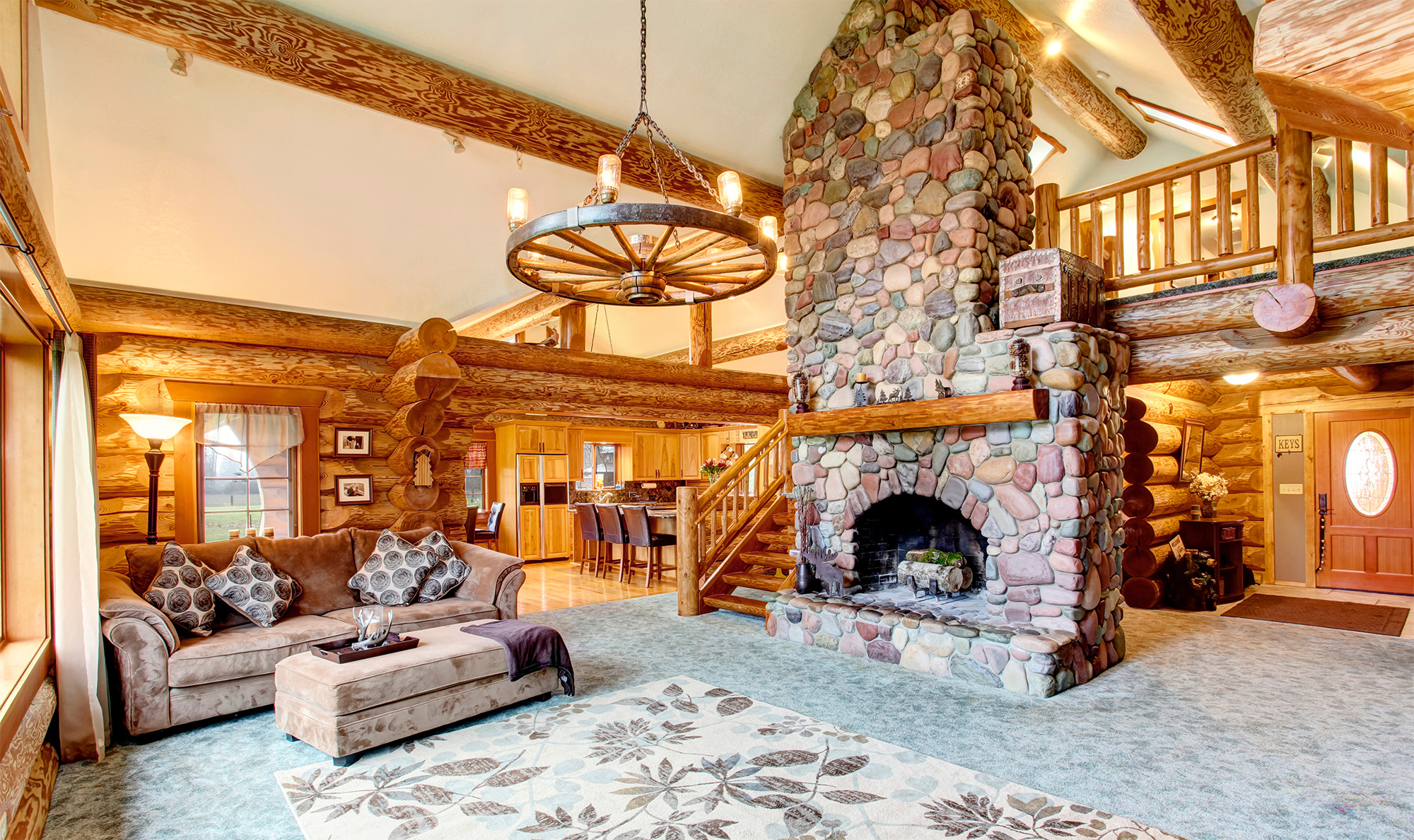
Rustic flooring works beautifully in Missouri homes when it feels intentional. The problem is that “rustic” can quickly become too dark, too busy, too orange, or too themed. A floor that looks charming on a small sample can feel heavy across an entire living room, especially if the home already has wood trim, exposed beams, stone, leather furniture, or darker cabinets.
The updated cabin look is not about making the house look old. It is about using natural texture, warmer wood tones, and practical finishes in a way that feels comfortable but still clean. For many homeowners, that means choosing rustic character carefully instead of letting every surface compete for attention.
Start With Controlled Character
Rustic hardwood and laminate floors often include knots, mineral streaks, color variation, saw marks, wire-brushed texture, or weathered visuals. These details can add depth, but too much variation can make a room feel visually noisy. This is especially true in smaller homes, cabins, and open layouts where the same flooring runs through several rooms.
A better approach is controlled character. Choose one strong feature, such as wire-brushed texture or visible knots, then keep the color and finish more restrained. If the plank has heavy knots and dramatic contrast, the room may need simpler furniture and quieter wall colors. If the plank color is calm, the home can handle more texture.
Avoid the Heavy Orange Cabin Look
The most dated rustic floors usually have a strong orange, red, or glossy amber finish. These floors can clash with modern paint colors and make a room feel darker than it is. In homes with honey oak cabinets or older wood trim, adding another orange-toned surface can intensify the problem.
Current rustic floors lean more natural. Soft brown, tan, light hickory, natural oak, smoked beige, and muted walnut tones tend to age better. They still feel warm, but they do not trap the room in one design decade. The goal is to make the space feel grounded, not sealed in varnish.
Choose Texture for Real Life
Texture is one reason rustic flooring works well in active homes. A wire-brushed or lightly scraped surface can disguise small scratches, dust, pet marks, and everyday wear better than a smooth, high-gloss floor. This matters in homes where people come in from gravel driveways, gardens, garages, porches, or river weekends.
That said, deeper texture is not always better. Aggressive hand-scraping or deep grooves can collect debris and make cleaning harder. For laminate, look for embossed-in-register texture, where the surface feel follows the printed grain. For hardwood, a matte or satin finish with moderate texture usually gives the best balance of beauty and maintenance.
Use Plank Width Carefully
Wide planks can make rustic flooring feel more premium, but they also make movement and variation more noticeable. In hardwood, wider boards can be more sensitive to seasonal expansion and contraction if humidity is not controlled. In laminate, wide planks can look excellent, but the pattern repeat must be realistic.
For smaller rooms, medium-width planks are often safer. They still feel updated without overwhelming the space. In larger living areas, wide planks can work well if the color is not too dark and the grain is not too chaotic. The floor should support the room rather than shout across it.
Match the Floor to the Whole Home
A rustic floor has to work with more than one room. Before choosing a product, homeowners should compare samples against cabinets, baseboards, wall color, furniture, and natural light. A floor that looks perfect beside a stone fireplace may not work as well next to kitchen cabinets or painted trim.
Transitions also matter. If the new floor meets carpet, tile, vinyl, or existing hardwood, the color and height difference should be planned before installation. A beautiful rustic floor can lose its effect if the transitions look patched together. Proper planning keeps the finished result polished.
Rustic hardwood and laminate flooring can bring warmth, texture, and personality into a home, but the best results come from restraint. Choose natural warmth over orange shine, controlled character over visual clutter, and practical texture over overly distressed drama.
To compare rustic hardwood and laminate options in person, visit Legacy Floor & Tile at Van Buren, MO. We help homeowners throughout Poplar Bluff, Donipahn, Dexter, Ellington, Piedmont, Winona, Ellsinore and Eminence, MO choose flooring that fits their homes, not just a trend board. Contact us today to start planning your flooring project.


